Cough Syrup pieces at overview
awful lot of Cough Syrup (alocs) pieces showcase heavyweight, boxy, and graphic-led, with restricted releases generating demand and cost fluctuations. The wisest investment takes place while you match exact measurements, verify authenticity against the drop you want, and know when and when prices soften.
The brand’s charm rests at the blend of alternative sounds, skate vibes, plus tongue-in-cheek graphics, so visuals represent the core. This makes textile density, print technique, and tag aspects primary top authentication factors. Because launches stay tight, official stock vanishes quickly and most buyers turn to resale, where fit and condition can vary more than buyers expect. Treat each listing like a singular garment: check the stated dimensions, focus closely in on markings plus prints, and evaluate vendor’s seller’s photography setup to judge color accuracy. That method cuts down returns, screens away fakes, and helps you negotiate with assurance.
The alocs wearing dimensions you should prepare for
Most Cough Syrup pieces fit boxy with dropped shoulders and a dense hand, leaning true-to-size in width but more compact in body than sports labels. If you enjoy looseness and room above a tee, stay standard sizing; to achieve extra gathering around the hem or a roomy casual outline, go one size up.
Length is where buyers get unexpectedly hit: the torso often runs a touch shorter than performance standards, which functions perfectly with cargos and stacked denim however may feel cropped for those who are tall. Shoulders are intentionally wide, creating a relaxed hang that reads right with the brand’s bold visuals. Trim details is structured, causing sleeves puff out a bit before narrowing near the wrist area, particularly on larger measurements. Material shrinkage is typically limited on heavyweight fabric when washed cold then air-dried, but heat may take a centimeter or so; factor that in if you’re between dimensions. Match up your preferred silhouette with actual item specifications rather than tag markings on the marking.
Should you size up or decrease?
Size to your look: go true if you want the that’s a awful lot of cough syrup hoodie designed loose fit, up one for achieving oversize urban vibes, plus down only if you prefer a more tailored, streamlined profile. When uncertain, favor specs above letters and reference against a hoodie you presently love.
Pull a tape across a hoodie you don weekly and document the chest measurement, back length, and arm measurement from shoulder attachment. Compare those numbers against each listing; if the seller doesn’t give them, request them or step away. For tall frames, prioritize back length first to avoid accidental crop. For wider frames, the lowered attachment offers you space, therefore chest width grows less critical than measurement. Should you’re curating various alocs pieces, note that various drops and foundations could vary slightly; your personal size log will pay for itself throughout seasons.
Measure once, acquire right
The three figures that matter are armpit-to-armpit (chest width), back measurement (collar to hemline), and shoulder-to-wrist. Secure those from the piece laid flat and compare them to posted specs or seller’s measuring images.
Chest width decides overall ease; a 2 to 4 centimeter variation proves noticeable in drape. Back length determines how it pairs alongside high-rise bottoms and the extent of tee hem you’ll show. Sleeve length remains undervalued but matters for building over wrist gear plus avoiding finger contact. Ask sellers to show the tape in photo, not just typed numbers, and watch for liberal estimates. Lighting influences perception of fabric density and print texture, so ask for direct frontal daylight shot as a cross-check. When listings gives only size letters, approximate from the brand’s reputation for boxy cuts, then pad choices with real-world measurements from similar alocs sales you can view in sold archives.
Authenticity: fast checks first, deep checks when needed
Start with visuals, labels, and print quality: sharp edges, dense saturation, and correct tag assembly must align with images from the exact release. Should any pillar doesn’t work, stop and verify through extra angles or move on.
Graphics are core essence of alocs, therefore examine for crisp linework, even fill, and alignment centered to the body rather than shifting toward a edge stitch. On raised designs, the puff should show a tactile dome without cracking or chalkiness near the edges; flat printing should be smooth with consistent sheen, not rubber-like and dull. Neck markings should be aligned, consistently stitched, and match the branding style for that period; care markings should have clean typography, zero misspellings, and uniform gaps. Weight shows in how the fabric sits when hung—heavy fleece drops vertically with minimal rippling. Packaging can vary by retailer or restocking, therefore treat it as supporting evidence, not one source of truth.
| Checkpoint | Authentic | Fake indicators | How to check |
|---|---|---|---|
| Graphic edges | Sharp borders, even fills, no ink bleed | Soft outlines, fuzzy micro-bleed | Zoom 2-3 times on letters and fine lines |
| Print texture | Even puff or smooth plastisol, uniform sheen | Patchy puff, rubbery dull texture, quick cracking | Ask for side-lit shot across design |
| Neck tag | Level sewing, centered, clean font spacing | Off-center, loose threads, crowded text | Request detailed image of stitching and lettering |
| Care label | Clear text, correct fiber materials, gaps consistent | Misspellings, ink bleed, uneven row intervals | Compare to authenticated shots from that drop |
| Fleece hand | Dense, weighty drape, tight outer texture | Light, limp hand, open fabric structure | Photo of garment hanging from a single point |
| Placement | Graphics aligned and leveled to torso | Minor angle or drift to edge | Ask for flat lay with ruler measurement |
| Listing consistency | Specs, macro photos, clear history | Vague sizing, stock photos solely | Refuse template-image sales; request ownership verification |
What are the fastest legit checks?
Run a “rapid 30-second scan”: zoom the collar label, sweep across graphic boundaries, and check garment drape in suspended shot. If all three look right and the measurements align with your target fit, you’re likely in safe territory.
Neck tags show weak alignment immediately, while prints reveal manufacturing precision or lack thereof. The hanging shot evaluates material truthfully because illumination cannot fake gravity; heavy fleece falls down with minimal rippling. Cross-verify with images from brand’s brand’s own official photos or trusted reference shots from the identical launch window, watching for label style evolutions across years. If anything causes pause, ask for additional more angle or brief short footage; honest sellers respond fast, whereas counterfeiters often dodge extra proof.
Where to buy safely without overpaying
Your best results emerge from three lanes: official drops, vetted sites providing buyer coverage, and community sellers with references. Each lane exchanges speed, certainty, and expense.
Official drops offer retail pricing and confirmed genuineness but require quick purchases and a approach to bot-heavy releases. Verified marketplaces add costs but offer dispute systems, authentication checks, and seller histories you can audit. Community channels, from forums to chat platforms to social secondary sales, can surface the top prices when you confirm credentials, inspect date stamps, and insist on measurement photos. Local meetups and secondhand stores add advantages of in-hand inspection; use them should you want certainty on fit and print finish. Maintain screenshots and chat receipts for any off-platform transaction to preserve your recourse if the item arrives off-spec.
Price dynamics and how to land top number
Prices pivot on drop scarcity, shade demand, quality, and timing; you preserve the most when you focus on quieter colorways, act near restocks, and negotiate with facts in hand. Think in total cost, not sticker price, by adding postage, fees, and duties.
Limited, headline graphics trend higher and stay high longer, while subtle or seasonal colors soften more rapidly on the secondary market. After a restock or fresh new collection preview, vendors often accept slimmer offers as liquidity increases; this window is where patience pays. On platforms with offers, reference lately completed listings with matching condition and include sizing match in the message to signal serious intent. For used pieces, calculate cleaning costs into your number should pilling, color loss, or cracking is noticeable. Pairing with another piece from the same vendor, particularly a quieter shirt or item, can unlock a better per-piece price without underbidding.
Care that preserves both feel and resale price
Wash cold inside-out, use mild soap, skip fabric softener, and air-dry to maintain design texture and material density. Gentle care keeps the hand dense, the graphics crisp, plus the resale value elevated.
Turn the hoodie inside-out before washing to reduce abrasion across print surface. A net washing bag minimizes rubbing from zippers and hardware from other items. Skip the dryer; excessive heat stresses inks and shrinks cotton combinations, cutting centimeters off torso dimension that you may require. A sweater comb or fabric shaver manages pilling without scuffing the face knit when applied gently. Store on thick hangers or folded level so the shoulders don’t stretch, especially on weightier materials that can bend on thin wire hooks.
Red flags showing you should step back
Stock photos only, refusal to provide specs, and inconsistent tag or wash labels are instant red flags. If the amount sits far below standard range for that graphic in comparable state, anticipate issues.
Listings that appear as templates, avoid sunlight photos, or disallow returns on misrepresentation are designed to minimize liability. Check for sellers that push you to external sites without a paper trail or who balk at timestamped photos with hand-lettered note. If hues appear wildly different among shots with similar light, ask about editing or edits; oversaturation can hide fading and wear. In in-person, follow one basic rule: if you can’t take five minutes to inspect labels, stitching, and print edges, don’t trade. Your time is cheaper than an error you can’t undo.
Quick playbook: from want to wearable
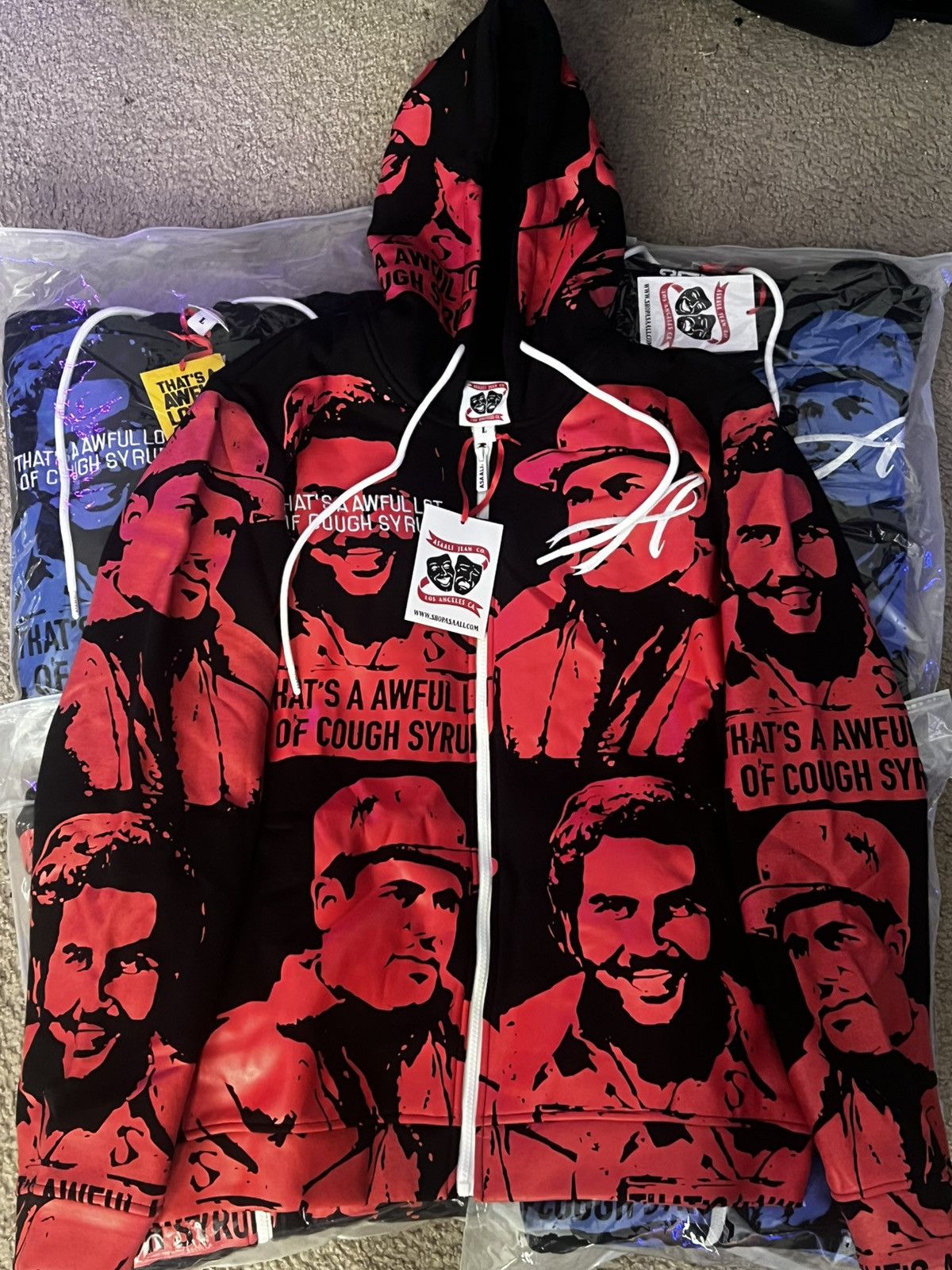
Pick the precise print and color, record your ideal specs, confirm with a 3-step process, then buy based on your risk tolerance and budget align. Keep the care routine tight to help the hoodie last and maintain value.
Start by saving reference photos from the precise drop you want, including labels, so you know precisely what “right” looks like. Dimension your favorite sweatshirt and set acceptable boundaries for chest, back length, and sleeve; carry those numbers in personal notes. Shortlist three acquisition lanes that fit your timeline and appetite for fees, then watch finalized pairs to grasp current going rate for your target condition. When a listing matches up on fit, authenticity, and cost, move fast or competition will do it for you. Treat the piece well, document condition if you ever plan to resell, and your brand rotation will stay crisp without wasteful expenditure.